
The domestic food manufacturing sector is experiencing significant changes as facilities face continuous pressure to increase line output while managing strict regulatory requirements and rising operational overheads.
Production managers often look for clear signs that their facility is ready for an upgrade, such as increasing production bottlenecks, rising maintenance costs, inconsistent seal quality, or growing labour demands. Recognising these operational pressures early helps teams protect their commercial margins by investing in high-performance food processing and packaging equipment.
Advanced automated systems must integrate cleanly into existing operational footprints. This foundational guide reviews major machinery developments to help production managers plan their next facility upgrades before interacting with global suppliers at the upcoming FoodPro 2026 exhibition.
Technical Efficiency Gains in Modern Food Manufacturing Technology
Commercial compliance across Australia fundamentally requires the maintenance of precise process control. According to the Food Standards Australia New Zealand (FSANZ) Safe Food Australia guidelines, food businesses must implement strict temperature controls and contamination barriers during receipt, storage, and processing. Advanced industrial systems support these national mandates by creating secure seals that isolate products from environmental hazards, dirt, and airborne moisture.
Regulatory Compliance Note: Facilities meet the hygiene criteria set out under national standards more easily when they implement automated lines that remove direct manual handling steps.
The primary food processing trends 2026 highlight a clear shift toward smarter, data-driven machinery lines. When operational teams adopt these trends, they can monitor machine performance continuously via digital controls that track sealing parameters in real time. This preventive monitoring stops product spoilage before it can occur within the logistics network.
Local production teams can seamlessly integrate these smart systems into existing lines by partnering with the VACPAC engineering experts. This updated food manufacturing technology protects products during transit across regional distribution corridors. Proper sealing keeps items secure from raw handling zones through to retail shelving, which helps commercial brands build trust with major retailers by delivering consistent, high-quality stock on every delivery.
Industrial Machine Options for Every Australian Food Sector
Different food categories require specific machinery setups to achieve the best storage results. Production environments must match their chosen equipment to the physical packaging characteristics of their products to maintain structural integrity and shelf life. When businesses deploy heavy-duty food packaging equipment Australia-wide, they adjust their operations to meet shifting retail demands while ensuring consistent output and minimal line friction.
| Machine Type | Primary Application | Key Operational Benefit |
| Benchtop Systems | Small portions, boutique lines | Space-saving design, low maintenance requirements |
| Freestanding Units | Medium volumes, larger items | Flexible sealing bar configurations |
| Swinglid Systems | Industrial batches, heavy products | Dual-chamber efficiency, rapid loading cycles |
| Belt Chamber Lines | Continuous high-speed production | Fully automated product throughput |
Meat, Poultry and Seafood: Minimising Product Purge with Advanced Diptank Systems
Protein processors require specialised machinery to manage natural moisture loss and prevent colour changes in fresh stock. Foundational research from the CSIRO Shelf-life Study indicates that fat oxidation and microbial growth are the main factors limiting the freshness of stored meats. The installation of industrial vacuum packaging machines removes atmospheric oxygen, which slows down chemical degradation and stabilises cell structures.
Operators create a tight, form-fitting finish around protein items by pairing a reliable primary sealer with an automated hydraulic diptank. This combination reduces product purge inside the bag, which preserves natural juices and improves retail visual appeal. Local facilities can view these high-efficiency setups by inspecting the Henkelman category page, which showcases a world-class manufacturer of food packaging solutions designed for demanding food lines.
Dairy and Packaged Foods: High-Speed Output via Industrial Belt Chamber Machines
High-volume cheese and packaged food lines need continuous automated processes to maintain profitable throughput rates. Manual handling steps create bottlenecks that slow down production and increase internal labour costs. Automated belt systems solve this issue by transferring pouches into the sealing chamber without manual intervention.
Large double-chamber and conveyor-driven units allow businesses to process multi-packs and bulk items rapidly. Managers looking to upgrade high-speed lines can evaluate options on the VC999 brand page, featuring durable industrial vacuum packaging machines built for heavy commercial use. These systems maintain uniform seal pressure, protecting aged cheeses and dry goods from moisture entry during long-term storage.
Ready Meals and Fresh Produce: Precision Sealing via Thermoforming Technology
The ready meal sector requires flexible packaging formats that accommodate various shapes, weights, and ingredient types. Traditional pre-formed trays can limit design choices and increase packaging material waste across production runs. Thermoforming machinery solves this by forming, filling, and sealing the container in a single continuous process.
Processors create customised pack shapes that fit the exact dimensions of fresh vegetables or prepared dishes by using rollstock film. This approach reduces film waste and lowers total material costs per unit. The single-process method protects food freshness, assisting regional manufacturers in meeting retail presentation standards with modern food packaging solutions.
Procurement Strategies for Commercial Budgets: New Versus Certified Used Systems
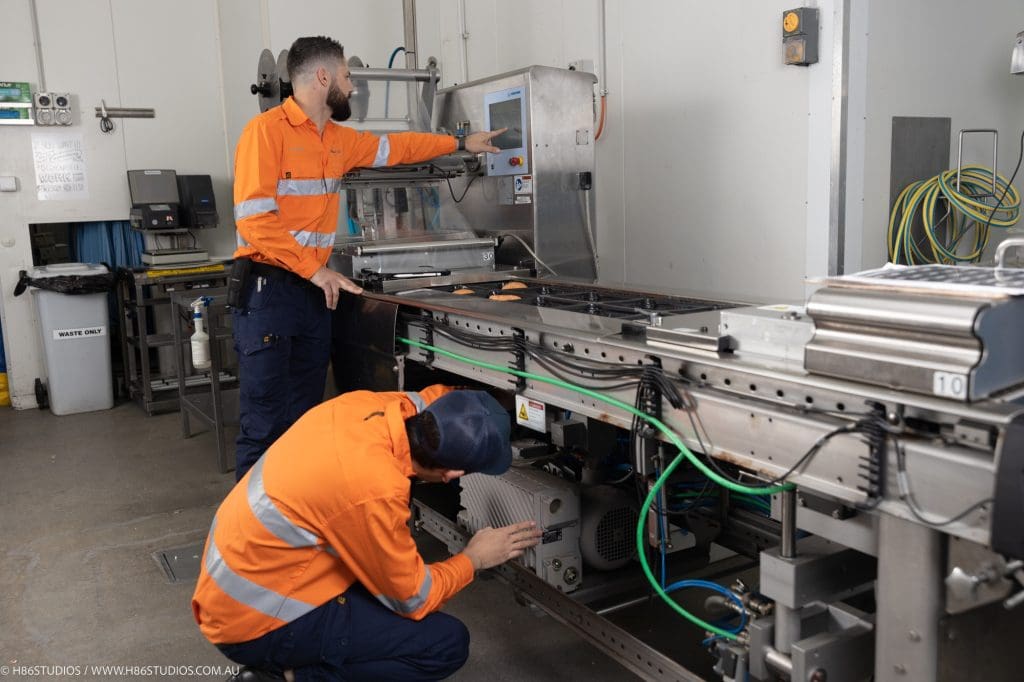
Growing food businesses regularly struggle to balance capital expenditure against required production capacity. Facilities secure advanced features, long-term operational life, and modern digital control options by purchasing brand-new, top-tier European machinery. These initial investments often generate long-term savings through reduced energy use and lower maintenance costs.
For facilities with immediate budget or time constraints, certified pre-owned food processing equipment offers a practical alternative. This secondary market allows facilities to access durable machinery at a significantly lower entry point.
Dependable performance is ensured when facilities source used equipment from a reliable supplier who fits genuine parts, offers local workshop testing, and provides clear commercial warranties. Production teams can compare new machinery options against refurbished models to find the right fit for their current capital plans by reviewing the comprehensive VACPAC products page. Smaller operations can scale up their packaging automation capabilities without a large upfront capital spend by utilising pre-owned commercial units.
Solutions for Factory Bottlenecks Through Custom Engineering and Plant Design
The optimisation of a processing facility requires a thorough look at the entire production floor layout rather than a singular focus on individual machines. Poorly placed machinery causes line stoppages, product handling delays, and increased safety risks for staff. Integrating highly engineered systems supports proper sanitation and logical product flow when facilities design clean layouts based on the HACCP Australia design factors.
Custom Engineering Workflow Map
- Phase 1: Initial Site Assessment — Engineers review the processing floor to identify bottlenecks and structural space limitations.
- Phase 2: Custom System Design — The team develops mechanical and electrical layouts tailored to the building’s specific workflow.
- Phase 3: In-House Fabrication — Local technicians build custom frameworks and conveyors within specialised facilities.
- Phase 4: System Integration — Technicians connect new machinery to current factory control networks for smooth data transfer.
- Phase 5: Staff Training and Commissioning — The team tests the complete line and trains operators to maintain daily throughput safely.
Strategic packaging design plays a vital role in meeting national sustainability goals. Research from End Food Waste Australia demonstrates that intelligent packaging design prevents commercial food waste from farm to consumer. By using precise portion controls, durable barrier films, and reliable seals, manufacturers protect products through the supply chain and support the national target to reduce food waste by 2030. You can read more about our history and local engineering support team on the VACPAC About Us page.
Meet the VACPAC Engineering Team at MCEC Melbourne
Dependable machinery partners who understand the local Australian manufacturing environment are necessary when planning for business growth. VACPAC has provided tailored food packaging solutions for more than 20 years, supporting processing facilities across Queensland and New South Wales. Kurt de Villiers continued the manufacturing legacy started by Ian de Villiers in 2000, delivering reliable service from a modern, purpose-built facility.
FoodPro 2026 Event Details
- Venue: Melbourne Convention & Exhibition Centre (MCEC)
- Dates: 26–29 July 2026
For managers who want to test machinery before making a purchase, visiting our regional showroom provides hands-on equipment experience. This facility allows clients to run test materials through various vacuum setups to verify seal strength and cycle speeds. We invite you to book an on-site production line assessment or schedule a face-to-face equipment consultation at FoodPro 2026 today. Reach out to our Brisbane office on (07) 3806 5972 or fill out our online form on the homepage to secure a meeting time.
Frequently Asked Questions (FAQ)
What is the main difference between thermoforming and tray sealing systems?
Thermoforming systems form the container directly from a roll of film during the production cycle, making them ideal for high-volume, custom-sized items. Tray sealers use pre-formed trays and apply a top sealing film, which provides structural protection for delicate or multi-component food products.
Can custom vacuum packaging machines connect to an existing factory control system?
Yes, modern European vacuum systems can integrate into existing factory control networks using standard communication protocols. This connection allows production managers to track machine data, cycle times, and sealing temperatures from a central monitoring station.
How do Preventative Maintenance Agreements lower factory downtime?
Preventative Maintenance Agreements arrange regular, scheduled service checks for your machinery to catch component wear early. This proactive approach helps prevent unexpected machinery breakdowns, extends equipment life, and ensures consistent packaging performance during busy production periods.
Where can I buy reliable food packaging equipment Australia-wide?
Reliable food packaging solutions and machinery lines are available directly through VACPAC, with full engineering backup from our local workshops.
What types of vacuum packaging machines are best for medium volumes?
Freestanding units offer flexible sealing bar configurations that suit medium production volumes and larger commercial product items perfectly.
Why should I consider certified pre-owned food processing equipment?
Budgets can stretch further with certified used options, which allow growing businesses to access heavy-duty systems at a lower entry point while maintaining dependable local testing protection.