
Industrial plant workflows rely on stable pressure systems to maintain daily output metrics. Operators frequently encounter machinery distress signals. Because of this, identifying why a vacuum pump is running hot across Australia is a critical task for maintenance personnel. Internal system heat or unexpected operational sounds often stem from blocked lines, old fluid, or mechanical alignment issues. Immediate resolution of these symptoms prevents total mechanical breakdown and costly factory downtime. Early intervention remains the most effective policy for keeping heavy industrial vacuum equipment operating safely in accordance with international manufacturing standards.
At a Glance: Quickly Diagnose Your Vacuum Pump
If your industrial vacuum equipment is running hot or making unusual noises, immediate diagnostic action is required.
- First, check your fluid levels, inspect exhaust filters for blockages, evaluate external airflow parameters, and listen for distinct bearing noise. Implementing standard industrial vacuum pump maintenance early can resolve minor faults straight away.
- When basic floor checks fail to resolve these thermal or acoustic symptoms, arrange an immediate professional inspection to avoid severe system downtime and safeguard your production lines.
Troubleshooting Symptoms Matrix
| Symptom | Possible Cause | Recommended Action |
| High Temperature | Low and/or poor oil volume and quality, restricted external airflow | Clear obstructions from the cooling fins and perform an immediate oil service |
| Grinding or Rattling Noise and Vibration | Worn internal bearings, shifted component alignment, or damaged main drive coupling(s) | Inspect and service main drive coupling(s); shut down the system and contact field mechanics if noise persists |
| Sudden Loss of Suction | Defective internal seals or extreme system backpressure | Perform comprehensive leak detection and inspect discharge filters |
Is Your Vacuum Pump Running Hot in Australia? The Warning Signs
Local facility temperatures often exacerbate mechanical issues in processing environments. Staff members must watch for specific visual and physical changes to detect hardware faults before total degradation occurs. Consistent monitoring of these thermal limits protects heavy machinery assets from operational failures. Performing regular industrial vacuum pump maintenance allows teams to spot these warning signs before they lead to terminal failure.
The following physical indicators require immediate attention:
- Low oil levels generate high operational friction and heat.
- Obstructed exhaust filters build extreme backpressure inside the casing.
- Worn internal bearings produce distinct grinding or rattling sounds.
- Damaged rotating vanes lead to an immediate loss of vacuum pressure.
- High ambient factory temperatures accelerate thermal distress in mechanical components.
| Visual & Acoustic Symptoms | Underlying Mechanical Cause | Operational Performance Impact |
High Operational Temperatures and Scorching Outer Casings | Low or poor oil volumes or extreme factory room temperatures drive up internal core heat. | Excessive thermal energy radiating from the frame shows the system is fighting high resistance. Prolonged exposure causes surface paint discolouration or casing distortion. |
| Unusual Vibrations and Strange Rattling Sounds | Failing internal bearings or fractured mounting brackets cause a shift in balancing tolerances. | Unexpected acoustic profiles indicate that moving metal parts are colliding inside the housing cylinder. Unchecked shaking spreads physical stress throughout connected pipeline networks. |
| Sudden Loss of Ultimate Vacuum Pressure | Heat-induced expansion of the component seal allows external atmospheric air to bypass standard containment barriers. | Internal pressure chambers lose their airtight seal under heavy thermal loads. The pump fails to reach the target pressure levels, causing immediate delays on the packaging line. |
Common Causes Behind a Vacuum Pump Making Noise and Overheating
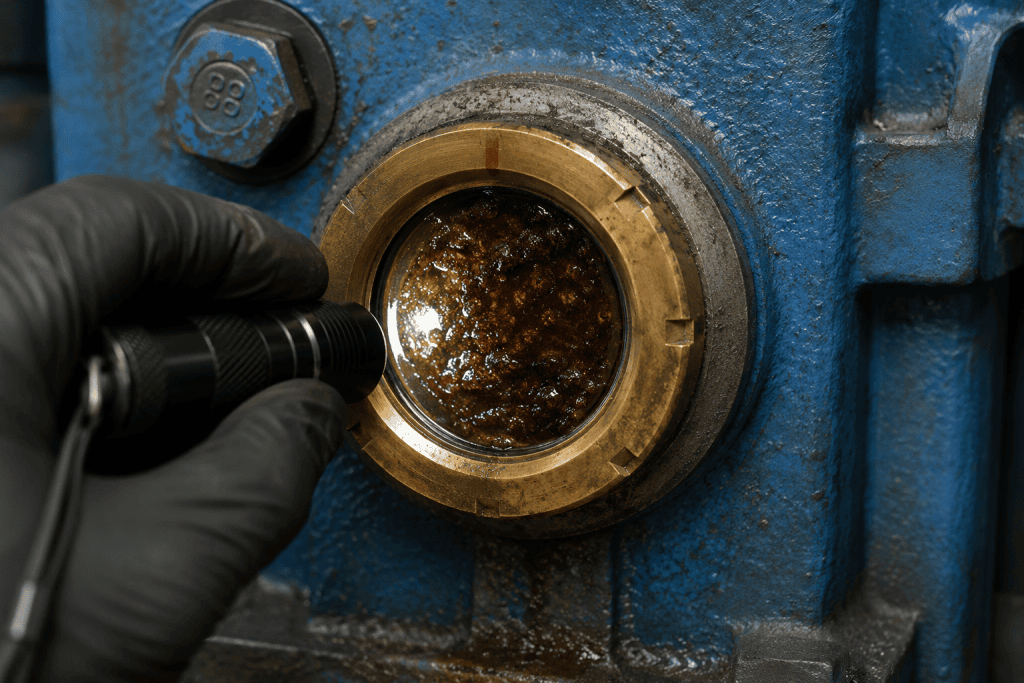
Extreme friction inside a compression system often explains why a unit experiences high thermal build-up. Neglecting basic fluid and filter requirements typically allows debris to damage internal metal surfaces. A clicking, rattling, or generic vacuum pump making noise under load means factory teams must establish effective daily monitoring protocols to isolate the root problem.
While these thermal issues affect most industrial vacuum systems, specific symptoms can vary depending on whether your facility utilises rotary vane, dry screw, liquid ring, or claw vacuum pumps. Each architecture possesses unique operational tolerances, fluid requirements, and failure points during high-temperature cycles. Understanding these engineering differences forms a major part of comprehensive vacuum system maintenance, ensuring each unit receives the exact care required to prevent overheating.
Contaminated or Degraded Vacuum Pump Oil
Adhering to local workshop safety standards requires regular monitoring of oil clarity through the built-in sight glass, along with always utilising high-quality approved lubricants such as Busch VSC100. Routine vacuum pump servicing remains vital to ensure contaminated fluids are completely flushed before friction causes permanent mechanical damage.
Blocked Exhaust Filters and Restrictive Airflow
Airflow limitations around internal discharge ports cause immediate thermal spikes during heavy operation. Clogged filter elements retain hot oil mists, limiting the overall efficiency of the exhaust cycle. Additionally, generic filters often fail prematurely due to poor design and low-grade materials, causing pumps to run significantly hotter. This forces the main motor to expend extra mechanical energy to push air through the system. Keeping the discharge path clear with reliable filtration prevents dangerous backpressure from damaging delicate internal sealing rings.
Worn Bearings and Damaged Internal Components
Internal component disintegration often starts with small microscopic fractures on the main bearing rollers. Broken rotating elements drop debris directly into the main cylinder, causing deep scores along internal surfaces. This mechanical damage rapidly stops all operational movement. Replacing critical components before total failure occurs saves facilities from purchasing entirely new units.
Fast Vacuum Pump Overheating Fix Options for Operators
Immediate basic checks can lower operational temperatures without requiring long system shutdowns. Operators can use standard maintenance steps to quickly address common cooling and fluid restrictions. Regular field remedies reduce the need for expensive structural rebuilds and establish a reliable protocol for fixing vacuum pump overheating on the floor.
Routine Fluid Flushes and Oil Filter Changes
A thorough flush of contaminated fluids removes abrasive particles that generate extra friction inside the pump. Manual replenishment of the reservoir to the exact indicator line prevents air pockets from forming within the oil circulation system. Fresh oil filter units maintain fluid purity over longer operating cycles. If thermal issues continue after a thorough oil refresh, arranging a professional pump rebuild to resolve overheating protects the asset from terminal failure.
Cleaning the Cooling Fins and Improving Ventilation
Careful removal of debris from the outer cooling panels prevents the formation of an insulating blanket of heat. Positioning the unit away from walls allows ambient air to circulate freely around the casing. Improved space layout lowers the base operating temperature of heavy equipment. External air circulation paths must remain free from cardboard boxes or nearby heat-generating machinery.
Utilising Quality Replacement Pump Components
Procuring genuine parts prevents alignment errors that cause internal friction and heat build-up. The integration of quality replacement pump components ensures that the internal compression cycle runs smoothly without generating extra backpressure. Correctly specified parts maintain their structural shape under tough conditions. Reliable replacement elements protect connected mechanical linkages from unexpected operational failures. Sourcing high-grade components supports an effective preventive maintenance strategy, protecting connected mechanical linkages from unexpected operational failures.
Professional Vacuum Pump Problems Troubleshooting and Inspection
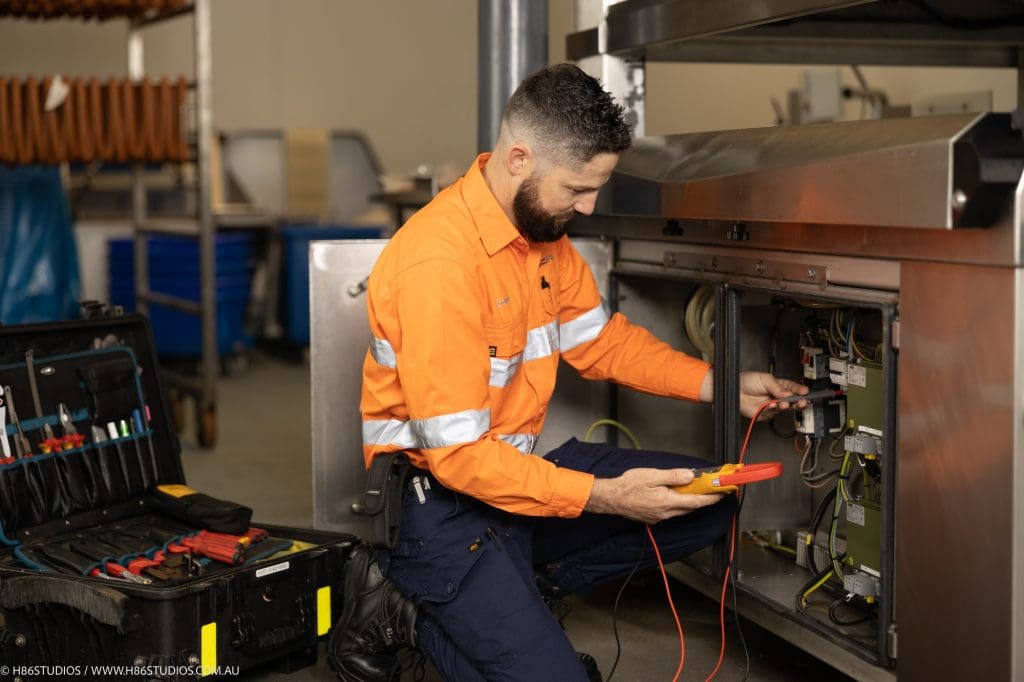
An orderly technical check plan helps separate simple electrical faults from major mechanical damage. Diagnostic safety requires precise measurement tools to verify actual operating metrics against factory data. Organised vacuum pump troubleshooting protocols form the foundation of effective facility asset management.
Step-by-Step Technical Checks for Industrial Systems
Measuring motor amperage provides immediate data on the physical workload inside the compression housing. Technical verification of connection joints with professional pressure gauges reveals small leaks that compromise vacuum levels. Visual evaluation of the oil level through the primary indicator ensures proper internal fluid distribution. A review of the line valves confirms that no physical blockages are restricting incoming air movement.
Integrating advanced industrial pump diagnostics into your scheduled downtime ensures that subtle internal errors are caught early. By tracking subtle operational variations over time, engineering teams can accurately predict part failures before they disrupt output. The matrix below outlines the critical points required for a professional mechanical assessment.
| Priority Check | Diagnostic Action | Key Target Metric |
| Electrical Load | Measure motor amperage draw and track motor current draw trends. | Baseline factory current limits without upward spikes. |
| System Seals | Verify joint connections with pressure gauges and perform leak detection. | Zero stable pressure decay across all diagnostic points. |
| Fluid Volume | Evaluate the primary oil sight glass visually and conduct an oil contamination inspection. | Fluid level at the exact indicator line, clear of moisture or sludge. |
| Air Pathway | Review line valves for internal blockages and check vacuum level readings. | Unrestricted incoming air movement meeting target operational pressure. |
| Maintenance Log | Review past service history data to track wear patterns. | Alignment with scheduled preventative maintenance cycles. |
When to Transition from In-House Checks to Certified Mechanics
Isolation of complex internal overhauls remains the job of qualified professionals to protect plant personnel from serious workshop accidents. When deep metallic grinding sounds continue, immediately deactivate the machine and call an external technician. Factory teams must avoid dismantling internal rotating assemblies without special alignment tools. Expert support guarantees that complex internal clearance adjustments meet original factory parameters.
Book an Onsite Pump Inspection to Protect Your Production Line
Facilities can book an on-site pump inspection to obtain a precise mechanical assessment from field specialists. This proactive approach ensures that subtle signs of hardware wear receive proper technical attention before a complete failure occurs. By identifying operational drops early, plant managers can easily prevent minor performance issues from turning into major production blocks. Partnering with standard-setting vacuum pump repair services protects your expensive vacuum infrastructure from extreme heat, extends the machinery’s working lifespan, and keeps daily product shipments moving to your clients on time.
When sudden system stoppages do occur, direct engagement with emergency breakdown and responsive repair services provides a rapid way to resolve the crisis. Fully equipped mobile technical units bring common wear parts directly to your floor to perform immediate, safe field repairs on distressed machinery. Our rapid response teams focus entirely on quickly isolating mechanical faults to safely restart your systems. Securing professional repair assistance immediately minimises the duration of unplanned manufacturing stops and protects your valuable raw processing materials from spoiling.
Choosing Professional Servicing Versus DIY Mechanical Repairs
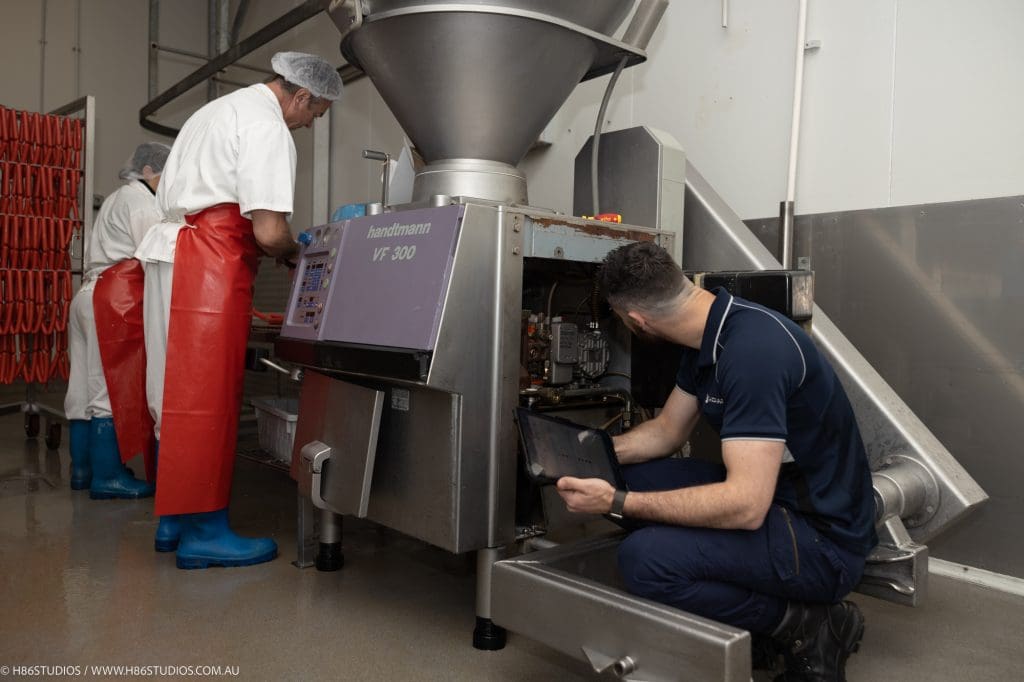
Decisions between factory repairs and internal maintenance attempts require a careful look at safety and asset longevity. Qualified technicians bring specialised calibration gear to ensure accurate internal component alignment. Professional service documentation also provides a clear maintenance record for insurance purposes.
- The Risks of Attempting In-House Internal Overhauls:
- Component misalignment causes immediate mechanical friction when the system restarts.
- A loss of precision tolerances inside the cylinder leads to rapid heat accumulation and casing distortion.
- Incorrect assembly steps cancel remaining manufacturer warranties instantly.
- Amateur internal work can result in severe component lockups, destroying the main casing beyond repair.
- Long-Term Value of Certified Preventative Maintenance:
- Routine service visits ensure that compression equipment operates within original efficiency targets.
- The implementation of preventative maintenance to avoid pump failure eliminates the high expenses of emergency parts shipping.
- Consistent monitoring tracks component wear trends to predict exact replacement dates.
- Regular field servicing preserves machinery value and supports stable production quality over time.
Expert Busch Vacuum Pump Repair Brisbane and Local Support
Local industrial operators need dependable mechanical support to protect factory output metrics against demanding work cycles. Because high ambient heat frequently compounds mechanical issues, our tailored vacuum pump servicing Queensland-wide brings brand-specific expertise directly to your facility floor. Our team proudly provides comprehensive vacuum pump repair services for multiple leading industrial vacuum pump brands, ensuring complete maintenance coverage for your entire equipment fleet. Specialised engineering care, such as a dedicated Busch vacuum pump repair service in Brisbane, utilises advanced diagnostic tools to precisely restore original factory tolerances. This targeted approach ensures your machinery runs significantly cooler during peak summer periods, protecting your long-term capital investments while keeping processing lines stable.
To maximise uptime, expanded mobile service options now deliver rapid support to both metropolitan hubs and remote regional plants. Immediate intervention prevents minor issues, such as filter blockages, from developing into catastrophic internal component lockups. When basic floor adjustments fail to lower high casing temperatures, professional diagnostics become essential to limit production losses. Multi-site companies can confidently connect with our field mechanics for a single, reliable point of contact across the state. If your system is currently showing signs of thermal distress, speak to a VACPAC technician today to safeguard your operational efficiency.
Frequently Asked Questions (FAQ)
Why is my vacuum pump running hot in Australia during standard operation?
Mechanical compression systems naturally generate mild heat during standard operations, but scorching casings point to clear system faults. Common causes include low fluid levels, blocked exhaust paths, or high ambient air temperatures within local processing facilities. This extreme heat can cause the thermal cracking of vacuum oil, altering the lubricant into a thick residue that blocks internal channels. Immediate termination of the cycle for an inspection prevents terminal component locking.
What does it mean when a vacuum pump is making noise like grinding or rattling?
New metallic sound profiles coming from an operating unit generally indicate that internal rotating components have shifted alignment. Physical grinding or sharp clicking points to component fatigue or internal fastening failure. Analytical industrial engineering data on bearing wear confirms that these acoustic changes match the final stages of bearing collapse. Immediate isolation of the equipment protects the main cylinder housing from permanent scratching.
How can I implement a quick vacuum pump overheating fix in my factory?
Execution of a fast vacuum pump overheating fix on the plant floor requires a systematic check of all cooling and fluid variables. Plant staff should clear factory dust from the external cooling panels and confirm that room ventilation remains unobstructed. Regular swap-outs of old oil filters and top-ups of the fluid reservoir can lower operating heat quickly. Persistent high temperatures after these checks indicate that internal mechanical overhauls are necessary.
Who should I contact for reliable Busch vacuum pump repair Brisbane services?
Plant managers can reach out to VACPAC to book a qualified Busch vacuum pump repair Brisbane service for their production assets. Our regional service centre maintains a deep stock of genuine components to shorten repair turnaround times. We follow original factory guidelines to ensure that completed repairs sustain required processing pressure levels safely.
What are the most common vacuum pump problems, and what troubleshooting steps can I take?
Standard vacuum pump problems troubleshooting procedures include testing connection points for air leaks and monitoring vacuum gauge stability. Staff members can check the external surface heat with infrared tools to find localised friction areas. Simple validation that the exhaust gas flows freely out of the manifold helps eliminate straightforward backpressure issues.
Can a vacuum pump continue running if it’s overheating?
No, operating an overheated system presents severe safety risks and can cause terminal internal seizures. If casing temperatures exceed normal parameters, you should immediately switch off the equipment to protect structural components from warping and avoid costly replacement fees.
How often should an industrial vacuum pump be serviced?
Service frequencies depend heavily on your operating environment, but standard factory frameworks require routine fluid checks weekly and comprehensive industrial vacuum pump maintenance every six months. Harsh processing applications dealing with high particulate loads require shorter service intervals to preserve peak performance.
What causes a vacuum pump to lose suction?
A sudden drop in vacuum pressure usually stems from worn internal seals, loose pipeline joints, or advanced fluid contamination. Executing targeted leak detection and inspecting your intake valves will pinpoint whether the suction loss is a simple external seal issue or a complex internal compression fault.