
A tight seal on your packaging keeps stock fresh and ensures your kitchen meets strict local health standards. If you discover your vacuum sealer is not sealing properly, identifying the root cause quickly keeps your production floor moving without costly delays. Most common sealing errors stem from minor settings adjustments, dirty components, or standard wear on the heating elements.
Faulty seals compromise your product inventory by allowing oxygen back into the bag, which rapidly invites bacterial growth. Adhering to Food Standards Australia New Zealand food packaging safety standards is essential for your production line, as even minor seal inconsistencies compromise safety protocols by creating potential environments for pathogen growth.
Fixing these errors requires a step-by-step check of your machine, the bag material, and your operational settings. Clean parts and correct temperature timings resolve the vast majority of daily packaging errors. Regular upkeep ensures your kitchen remains compliant while protecting your stock from early spoilage.
Quick diagnosis: what your seal is telling you
| What you see | Most likely cause | First thing to try |
| Melted, shrivelled or holed seam | Seal time too long for the film thickness | Reduce seal time in 0.1 second steps |
| Faint line, bag peels open easily | Seal time too short, or failing heat strip | Increase seal time in 0.1 second steps |
| Seal strong in parts, absent in others | Cracked heat strip or worn Teflon tape | Inspect the bar, replace the tape |
| Bag seals but loses vacuum overnight | Wrinkle in the seam, or perished lid gasket | Reseat the bag flat, check gasket compression |
| Liquid in the seam, weak spot after storage | Product drawn into the seal zone | Longer pouch, chill product, dry the seal zone |
| Machine will not reach deep vacuum | Lid gasket, hose leak or pump wear | Vacuum hold test, then book a service |
| Machine cuts out mid-shift | Thermal protection triggered by continuous use | Allow cooling time between cycles |
Each of these is explained in detail below.
Troubleshooting a Vacuum Sealer Not Sealing Properly on Your Production Line
Daily commercial kitchen operations rely on fast, repeatable packaging cycles to protect stock. If you find your vacuum sealer not sealing properly mid-shift, check these four critical areas on your line immediately:
- Sealing Area Cleanliness: Food particles, oils, and liquids frequently get trapped where the heat bar meets the bag, blocking a clean melt. Wipe down the silicone bars and heat strips with a dry cloth to clear away grease build-up.
- Plastic Pouches: Thick bags require more melt time, while thin material will melt completely through and tear apart. Ensure the plastic film matches your specific machine specifications, and adjust heat settings if you change packaging suppliers.
- Bag Placement: Pouches must lie completely flat across the sealing bar without any folds or bunches. Wrinkles create tiny channels that allow air back inside the bag after the cycle finishes.
- Lid Seal Gasket: Gaskets lose their springiness over time, preventing the chamber from reaching a deep vacuum state. Installing replacement lid gaskets ensures the machine can press the bag firmly against the heating element.
Understanding the Impact of Common Vacuum Packaging Machine Seal Problems
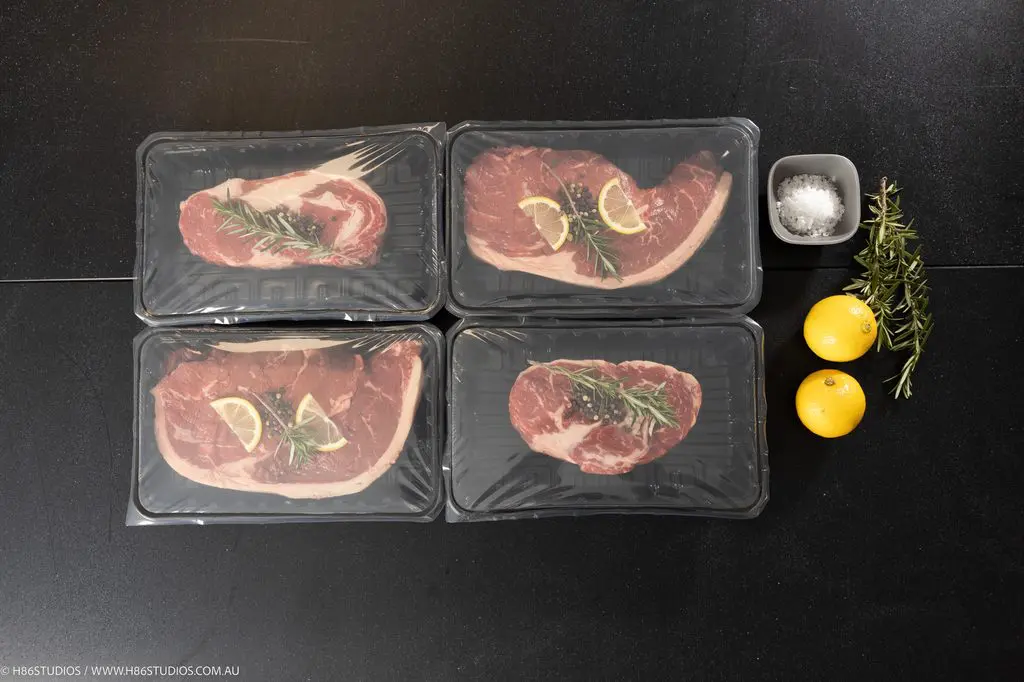
Repeated vacuum packaging machine seal problems slow down your staff, lower the shelf life of your food, and directly hit your business profit margins. When air enters a pouch, food spoils faster, leading to high stock wastage in commercial pantries. Keeping your machinery in top working order preserves your ingredients and protects your bottom line. According to Meat & Livestock Australia guidelines on red meat shelf life, commercial vacuum sealing extends fresh beef shelf life up to 5 weeks under refrigeration, compared to just 3 to 5 days in air-permeable tray packaging. However, micro-leaks caused by worn heat strips destroy this anaerobic environment, causing rapid spoilage and high stock waste.
A failed seal compromised by micro-leaks means your packaging is no longer fit for its intended purpose under Food Standards Australia New Zealand regulations on commercial food packaging. This failure directly compromises your food safety standards by potentially exposing ready-to-eat items to pathogenic contamination and cross-contamination. Your packaging must maintain its structural bond to keep food safe for vulnerable populations.
A failing packaging line also damages your commercial reputation among local buyers and distributors. Customers who receive leaking pouches will quickly lose faith in your product quality. Loose packaging looks unappealing on retail shelves and signals poor quality control. Regular checks keep your brand looking professional and reliable.
If you ignore a small seal fault, you can stress your vacuum pump as it runs longer to clear air from the chamber. Taking care of your machine protects your workflow and keeps your kitchen running safely.
What Does a Faulty Seal Look Like?
A faulty vacuum seal typically presents as a melted or charred seam from excess heat, a faint line that peels open easily from low temperature, or wrinkles that cause gradual vacuum loss. Inspecting the seam’s texture, clarity, and bond strength immediately reveals whether the issue is driven by incorrect timer settings, worn Teflon tape, or pouch misplacement.
A close look at the finished bag tells you exactly what is going wrong with your machine settings. Different seal appearances point to specific mechanical faults or incorrect operator adjustments. Use this visual guide to identify your specific packaging issues.
Why Is the Plastic Melting or Burning at the Seam?
If your finished pouches look melted, shrivelled, or have visible holes along the seam, the heat bar is running too hot. This problem often occurs when the sealing timer is set too high for thin plastic bags; the intense heat destroys the plastic structure instead of fusing the two layers together.
Overheating can also happen during busy shifts when the machine runs continuously without cooling down. Lower the sealing time on your control board by a fraction of a second to see if the melt improves. If the plastic keeps burning, check if the protective Teflon tape over the heat strip has worn thin.
(Refer to row 1 of our quick diagnosis table above)
Why Is My Seal Weak or Peeling Open?
A weak seal that peels open easily occurs when the heating element fails to reach optimal bonding temperature. This is typically driven by an overly short seal time setting, insufficient electrical voltage to the bar, or a cracked heating strip that prevents uniform heat distribution across the pouch.
A faint, barely visible line across the pouch indicates that the heat bar is not getting hot enough. The plastic layers will fail to bond, allowing you to peel the bag open easily with your fingers. This weak joint happens when the sealing time is too short or the voltage to the bar drops.
First, try increasing the sealing time slightly on your digital panel. If the line remains weak or uneven across the bag, your heating strip might be broken or cracked. An uneven seal means heat is not spreading across the bar correctly, requiring a part replacement.
(Refer to row 2 of our quick diagnosis table above)
Why Does the Bag Lose Vacuum After Sealing?
A bag loses vacuum after sealing when small wrinkles or folds along the seam prevent an airtight bond, allowing air to seep back in over time. This is usually an operator handling issue caused by misaligned pouch placement across the sealing bar rather than a machine breakdown.
When you notice a vacuum seal leaking food or air, look closely for tiny wrinkles along the seam line. Small folds allow air to seep back inside, ruining the vacuum over a few hours. This issue usually points to poor bag placement instead of a broken machine part.
Make sure your staff stretches the opening of the pouch flat before closing the chamber lid. You can also use holding clips if your machine has them to keep the film secure during the cycle. Flat, wrinkle-free placement ensures an airtight bond every single time.
(Refer to row 4 of our quick diagnosis table above)
Which Mechanical Faults Cause Seal Failure?
Mechanical seal failure is primarily caused by worn Teflon tape, cracked heat strips, perished chamber gaskets, or failing vacuum pumps. Internal contamination from liquid drawn into the seal zone and altered digital control panel settings also prevent proper vacuum creation and thermal bonding.
When cleaning the machine and adjusting the pouch position does not fix the issue, you may have an internal mechanical fault. Internal parts wear down naturally from the friction and high heat of daily kitchen use. Understanding these components helps you pinpoint when a part needs to be replaced.
Worn Heat Strips and Damaged Teflon Tape
The heating element relies on a thin strip of wire covered by protective Teflon tape. This tape prevents the hot metal from sticking directly to your plastic packaging pouches. Over time, the tape burns through, leaving the bare wire exposed to the plastic.
When the tape degrades, plastic sticks to the bar, causing uneven heat transfer and messy burns. Inspect the bar weekly for dark scorch marks or tears along the tape surface. Ordering replacement Teflon tape and sealing bars regularly protects your heat strips and ensures clean, flat seams.
(Refer to row 3 of our quick diagnosis table above)
Incorrect Pressure or Timing Settings on the Control Panel
Modern commercial chamber sealers use precise digital timers to manage the vacuum and sealing phases. If someone alters these settings by mistake, your machine will stop performing correctly. A short vacuum time leaves air inside, while a short sealing time prevents a proper weld.
Check your user guide to find the recommended settings for your specific bag thickness. Reset the control board to these standard values before running another test pouch. Correct timing parameters ensure the machine applies heat and pressure at the perfect moment.
Contamination From Moisture and Food Residue
Liquid products like soups, sauces, and wet meats often get sucked toward the heat bar during the vacuum cycle. When liquid gets trapped between the plastic layers, it cools the seal area, preventing a full melt. This contamination leads to weak spots that leak during storage.
To prevent this issue, try the following adjustments:
- Use a longer pouch to keep liquids away from the sealing bar area.
- Freeze wet items slightly before packaging them to keep moisture from moving.
- Ensure the sealing zone remains completely dry to achieve a strong, reliable bond.
(Refer to row 5 of our quick diagnosis table above)
When to Call for Professional Vacuum Sealer Troubleshooting
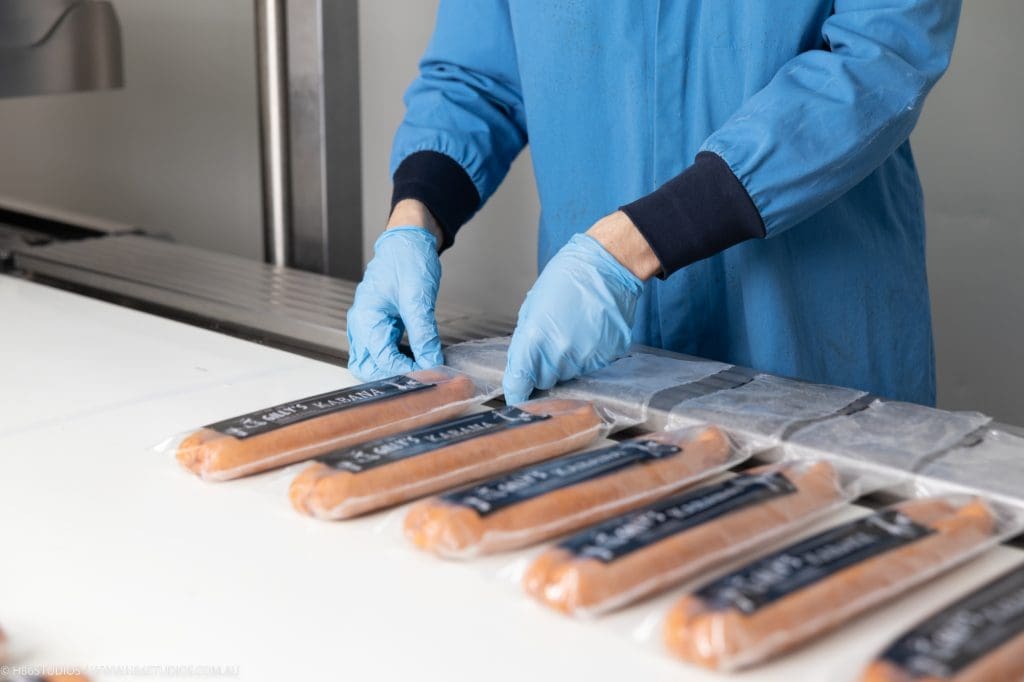
You should call for professional vacuum sealer troubleshooting when routine cleaning, basic settings adjustments, and standard consumable part replacements fail to restore proper seal integrity. Persistent vacuum loss, electrical errors, or oil pump pressure drops require specialised diagnostic tools to prevent catastrophic motor failure, expensive stock waste, and health audit breaches.
Food businesses require reliable machinery that delivers consistent results every single day to stay operational. When local kitchen staff face ongoing machine faults, systematic troubleshooting helps prevent extended downtime. Understanding your machinery keeps your production line moving safely.
When Basic Maintenance Fails to Resolve the Problem
If you have cleaned the bars, adjusted the settings, and replaced the tape but still face issues, look deeper. Spotting early signs your vacuum packing machine needs a service prevents internal electrical faults, failing pressure valves, or weak pumps from causing total line downtime. Continued troubleshooting without expert guidance can cause further damage to internal circuits.
Our team provides comprehensive vacuum sealer troubleshooting across Australia to locate hidden mechanical faults quickly. Professional technicians can test internal voltage levels and pump pressures to find the true source of your sealing errors. Relying on expert diagnostics saves time and protects your equipment investment.
(Refer to row 6 of our quick diagnosis table above)
Risks of Operating Malfunctioning Packaging Machinery
Operating a machine with inconsistent heat delivery or a drop in necessary pressure prevents you from safely meeting government food safety requirements for vacuum packing ready-to-eat foods. These standards strictly regulate storage risks involving dangerous anaerobic bacteria like Listeria monocytogenes, which thrives in poorly sealed, low-oxygen environments. Unsealed food spoils rapidly, creating unnecessary waste and lowering your kitchen efficiency. Furthermore, a faulty heat bar can overheat internally, creating an electrical safety hazard for your staff.
Internal motor parts face extra strain when a machine cannot pull a deep vacuum. The pump will work harder and run longer, which shortens its operational lifespan. Addressing seal issues early prevents a simple part replacement from turning into an expensive professional vacuum pump repair and rebuild.
Get Expert Help With Your Vacuum Sealer Today
When production demands are high, you cannot afford to have a key piece of machinery sitting idle. Fast, professional repair services keep your business compliant with local food regulations and protect your daily output. Expert technicians carry the right tools to fix your equipment safely on-site.
If you are dealing with ongoing machine faults, book a vacuum machine service call with our experienced team. We inspect every component, from the gaskets to the heating bars, to restore your operational speed. Professional care keeps your business running smoothly without unexpected disruptions.
How Do Commercial Chamber Machines Differ From Domestic Sealers?
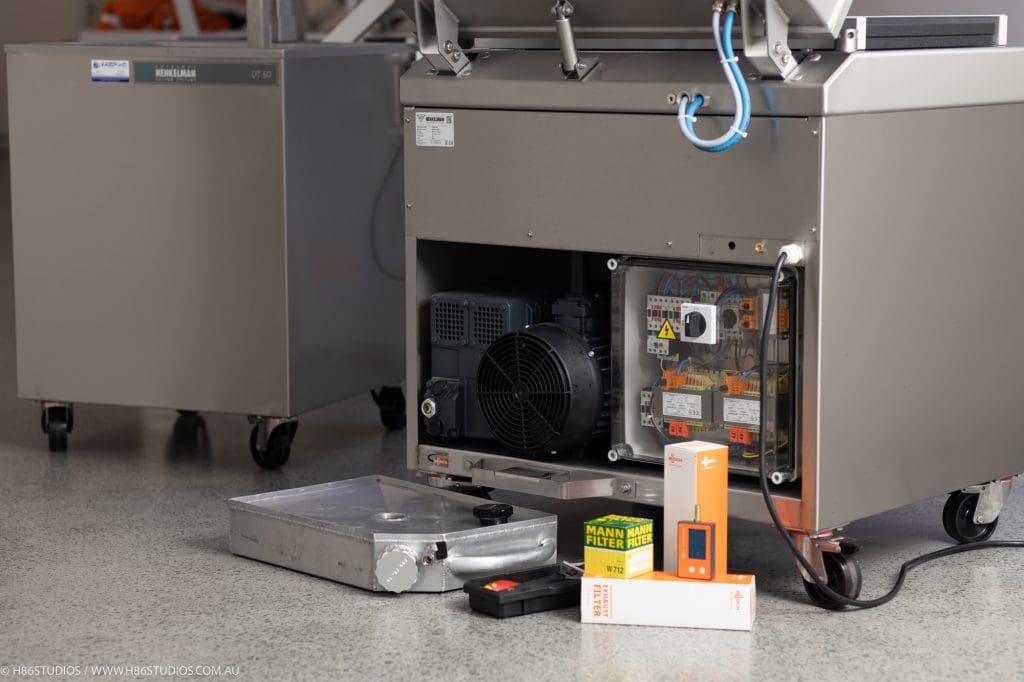
Commercial chamber machines equalise atmospheric pressure inside a sealed chamber to package liquids and solids using heavy-duty oil pumps and wide heating bars. In contrast, domestic external sealers pull air directly from textured bags using light dry piston pumps, making them unsuitable for continuous commercial production.
Commercial chamber machines are built differently than small domestic sealers found in home kitchens. Domestic units pull air directly from the edge of the pouch, which relies heavily on textured bags to clear the air. These smaller consumer units lack the heavy-duty cooling systems needed for constant, back-to-back packaging cycles.
In contrast, commercial chamber sealers place the entire pouch inside a sealed box to equalise pressure. This design allows businesses to package liquids easily without sucking fluids into the pump mechanism. Chamber machines also use wider, thicker heating bars that create a stronger bond capable of handling transport and long-term storage.
| Feature | Domestic External Sealers | Commercial Chamber Machines |
| Pump Type | Dry Piston Pump | Oil-Rotary Vacuum Pump |
| Daily Capacity | Light occasional use | Continuous all-day production |
| Seal Width | Thin single wire (approx. 2mm) | Thick double or wide wire (up to 10mm) |
| Liquid Packaging | Very difficult / Not recommended | Easy and secure |
A commercial chamber unit ensures your business keeps up with heavy workloads without overheating. The internal oil pumps provide deep vacuum levels that domestic models cannot achieve. Investing in commercial-grade gear reduces your long-term maintenance costs and improves packaging speed.
Restore Your Production Efficiency With VACPAC Repairs
Do not let a malfunctioning sealer disrupt your production line and cost you stock; contact our service team today for an expert diagnosis or to book a service. Our team understands how critical functional packaging machinery is to your daily commercial output. We provide fast, reliable support to get your equipment back to peak performance.
Whether you need a quick part replacement or a complete system overhaul, we offer tailored maintenance options. You can access our VACPAC repair and servicing options to keep your operations running safely. Let our technical experts handle the machinery so you can focus on running your business.
Frequently Asked Questions (FAQ)
Why is my vacuum sealer not working after continuous use?
Continuous use can cause the heating bar to overheat or trigger the machine’s internal thermal protection switch. When the bar stays hot for too long, it melts through the plastic film instead of sealing it neatly. Allowing the machine to cool down between busy production cycles generally restores normal operational performance (Refer to row 7 of our quick diagnosis table above)
How do I stop a vacuum seal leaking food or liquid during the sealing cycle?
To stop a vacuum seal leaking food or liquid, leave plenty of headspace at the top of the pouch so product is not drawn toward the sealing bar. You can also slightly chill or freeze wet ingredients before packaging to keep moisture from moving up the bag. Keeping the inside plastic surfaces dry ensures the heating bar can create a secure, airtight weld.
What causes unexpected vacuum packaging machine seal problems in commercial kitchens?
Unexpected seal faults are usually caused by food debris, grease, or moisture contaminating the sealing bar surface. Worn Teflon tape and warped silicone bars also prevent the machine from applying even heat across the plastic film. Regular cleaning and weekly visual inspections help catch these minor structural issues before they cause a breakdown.
Where can I find reliable commercial vacuum sealer repair in Brisbane?
Our team provides specialised commercial vacuum sealer repair Brisbane services directly to local food businesses, butchers, and commercial kitchens. You can reach our local service workshop by calling (07) 3806 5972 to speak with an expert technician. We offer rapid on-site assistance and carry essential spare parts to minimise your operational downtime.
How often should I run troubleshooting checks to prevent breakdowns?
We recommend basic operational checks and cleaning daily before starting your production line. Regularly checking the condition of your heat strips and lid gaskets weekly prevents sudden mechanical faults during busy shifts. For long-term reliability, booking a professional preventative maintenance service every six to twelve months is ideal.
Can genuine Henkelman spare parts and sealing bars resolve my ongoing seal failures?
Yes, installing genuine Henkelman spare parts and sealing bars ensures your commercial machine maintains correct factory heat and pressure tolerances. Non-genuine components often heat up unevenly, leading to premature bag failures and weak seams on your production line. Using Henkelman replacement components protects your machinery warranty and extends the operational lifespan of your equipment.